Why LMS Platforms Don't Solve Student Isolation | Community

Your LMS delivers content perfectly—but 50%+ of students still feel isolated. Here's the community layer most academies miss. Learn what works. [email protected]
Sarah invested $47,000 in a premium learning management system for her coding bootcamp. The videos played flawlessly. Quizzes auto-graded perfectly. Progress dashboards gleamed with data. Yet three months later, her completion rate sat stubbornly at 34%. Students still messaged her with the same complaint: "I feel completely alone in this." That's when Sarah realized something crucial: her expensive LMS was delivering content beautifully, but it wasn't creating connection. And according to research, 22% of distance learning students cite the risk of feeling isolated as their primary challenge—even when they have access to modern LMS platforms.
The problem wasn't that Sarah's LMS was broken. The problem was that it was never designed to solve student isolation in the first place.
What LMS Platforms Actually Do (And Do Well)
Before we talk about what's missing, let's acknowledge what learning management systems do exceptionally well. LMS platforms revolutionized education by bringing organization and efficiency to content delivery. They excel at their designed purpose: managing the administrative and content aspects of learning.
Here's what modern LMS platforms handle brilliantly:
Content hosting and delivery - Videos, PDFs, presentations, and multimedia materials stream reliably to students anywhere in the world. Your curriculum stays organized, accessible, and professional.
Course structure and organization - Modules, lessons, prerequisites, and learning paths create clear progression. Students always know what comes next.
Assignment submission and grading - Automated quizzes, rubric-based assessments, and gradebook management save academy owners countless hours. The LMS tracks who submitted what, when, and how they performed.
Progress tracking and analytics - Dashboards show completion rates, time spent, quiz scores, and engagement metrics. Academy directors get data-driven insights into student behavior.
Compliance and certification management - For academies requiring official documentation, LMS platforms generate certificates, maintain records, and ensure regulatory compliance effortlessly.
These are powerful capabilities. The problem isn't that LMS platforms are inadequate at what they do. The problem is that content management and community building are fundamentally different challenges—and LMS platforms were built for only one of them.
The Critical Thing LMS Platforms Don't Do
Here's the gap most academy owners discover too late: LMS platforms deliver content TO students, but they don't facilitate authentic connection BETWEEN students.
Think about it. Your LMS can host a 40-hour video course, track which students watched which lectures, and grade their assignments automatically. But can it help Student A find a compatible study partner? Can it create the kind of peer accountability that prevents midnight panic and Sunday abandonment? Can it generate the sense of belonging that makes students excited to log in?
The answer is almost always no—because that's not what learning management systems were designed to do.
This distinction matters more than most academy owners realize. Research consistently shows that students need meaningful social ties to persist through challenging material. You can have perfect content delivery and zero peer connection. That combination creates exactly what Sarah experienced: students who watch every lecture, submit every assignment, and never speak to a single classmate. Those students still drop out—because learning is fundamentally social.
One-way content distribution might fill students' brains with information, but it doesn't fill their need for connection. And that need is what prevents student isolation and drives completion.
Why 22% of Students Feel Isolated (Even With Modern LMS)
You've probably noticed this pattern in your own academy. Your LMS has discussion forums—they're just eerily silent. Your platform includes messaging features—students just never use them. You've added group assignment capabilities—but collaboration feels forced and awkward.
This isn't a user problem. It's a design problem.
Most LMS discussion forums exist but rarely generate authentic engagement. Why? Because they're structured like assignment submission boxes, not like places where humans naturally gather. Students don't want to "post and respond to two classmates by Friday"—they want to connect with peers who understand their struggles.
LMS announcement features provide one-way broadcasting from instructor to student. There's no back-and-forth, no conversation, no community building. It's a megaphone, not a connection tool.
Messaging systems in learning management systems create awkward cold outreach dynamics. Imagine being a student scrolling through a list of names you don't know, trying to decide who to message for help. It feels uncomfortable, so most students just don't do it. Limited opportunities for building trust emerge when peer interaction tools are transactional rather than organic.
Even when live sessions are integrated into LMS platforms, attendance often stays disappointingly low. Why? Because showing up to a structured lecture isn't the same as studying alongside someone. Students don't feel connected to a Zoom grid of black squares—they feel alone with their camera off.
The fundamental issue: LMS platforms give students communication tools, but they don't create connection rituals. There's a massive difference between having the ability to message someone and actually feeling part of a learning community.
The Three Types of Connection LMS Platforms Miss
To understand why student isolation persists despite sophisticated learning management systems, you need to understand the three distinct types of connection humans need when learning challenging material.
Connection Type #1: Peer-to-Peer Accountability
Students need peers who genuinely expect them to show up. Not a system notification reminding them about a deadline—an actual human who notices if they're absent.
Your LMS tracks whether a student completed their work. It cannot create the social bond where Student A checks in on Student B because they made a commitment to each other. Accountability comes from connection, not from content management dashboards.
Consider the difference: Your LMS sends an automated email saying "Quiz due Friday." A practice partner texts you Wednesday saying "Hey, want to prep for that Friday quiz together tomorrow evening?" Which one actually gets you to study?
Connection Type #2: Synchronous Collaboration
Most learning management systems prioritize asynchronous learning—watch the lecture anytime, submit assignments on your schedule, post in forums when convenient. This flexibility is valuable, but it comes at a cost.
Humans bond through real-time interaction. Working alongside someone, even silently, creates connection. Body-doubling (studying in someone's presence), co-working sessions, and shared focus time generate the feeling of togetherness that prevents isolation. These synchronous experiences weren't what LMS platforms were built to facilitate.
When students can only interact through recorded videos and discussion posts, they miss the spontaneous questions, the shared frustration over difficult concepts, and the collective "aha!" moments that create community.
Connection Type #3: Community Belonging
Beyond transactional interaction—submitting group assignments, replying to forum posts—students need to feel part of something larger than themselves.
Cohort identity, shared inside jokes, mutual support during challenging weeks, celebrating each other's breakthroughs—these create the sense of belonging that research shows significantly improves completion rates. Students with meaningful peer connections are 2.5 times more likely to finish courses than those without.
Your LMS organizes courses beautifully. It doesn't create tribes. And humans are tribal creatures who persist through challenges when they feel they're part of a community working toward shared goals.
What Academy Owners Discover After Buying an LMS
Talk to enough academy directors and you'll hear a remarkably consistent story:
Month 1: Excitement about the new learning management system. The interface is sleek, features are impressive, content uploads smoothly. Everything feels professional and legitimate.
Month 3: First signs of concern. Discussion forums have maybe three posts per hundred students. The messaging feature shows minimal activity. Students rarely interact with each other, only with instructors.
Month 6: Completion rates haven't improved from the previous system. Student satisfaction surveys mention feeling disconnected despite having access to great content. You start wondering what's wrong.
Month 9: Recognition that student isolation is still your biggest problem. The LMS delivered on its promises—content delivery IS better—but students still feel alone. Dropout rates remain frustratingly high.
Month 12: The realization hits. You don't have an LMS problem. You have a community problem. Your LMS was never meant to solve it.
As one research study noted, students need meaningful connections, not just access to content. That's when smart academy owners realize they don't need to replace their LMS—they need to add a second system alongside it.
LMS + Community: The Technology Stack Successful Academies Use
The most effective academies today don't choose between content delivery and community building. They recognize these as complementary needs requiring different tools.
Here's how the two-system approach works:
Your LMS handles: Course content hosting, video delivery, assignment submission, automated grading, progress tracking, certification, and administrative management. It remains your central content hub.
Your community platform handles: Peer matching, practice partner connections, study group formation, body-doubling sessions, synchronous collaboration, accountability structures, and belonging creation.
These systems aren't competitive—they're collaborative. Your LMS delivers the curriculum; your community platform ensures students don't experience that curriculum alone.
Successful combinations academy owners are implementing:
- Canvas LMS for content structure + dedicated peer learning platform for student connection
- Teachable for course delivery + structured community system for practice partnerships
- Thinkific for material organization + synchronous collaboration tools for co-working
Some academies use platforms like AcademyNC specifically as their community layer because it's designed to integrate with existing learning management systems rather than replace them. The goal isn't to abandon your LMS investment—it's to complete your technology stack.
For more context on why students disengage, see our article on 10 Warning Signs of Student Engagement Crisis.
What a Community Platform Actually Does (That LMS Doesn't)
If you're wondering what a purpose-built community platform looks like in practice, here are the core functions that differentiate it from LMS discussion forums and messaging features:
Automatic peer matching - Students get paired with compatible practice partners based on learning goals, schedules, time zones, and experience levels. No awkward cold outreach through long member lists.
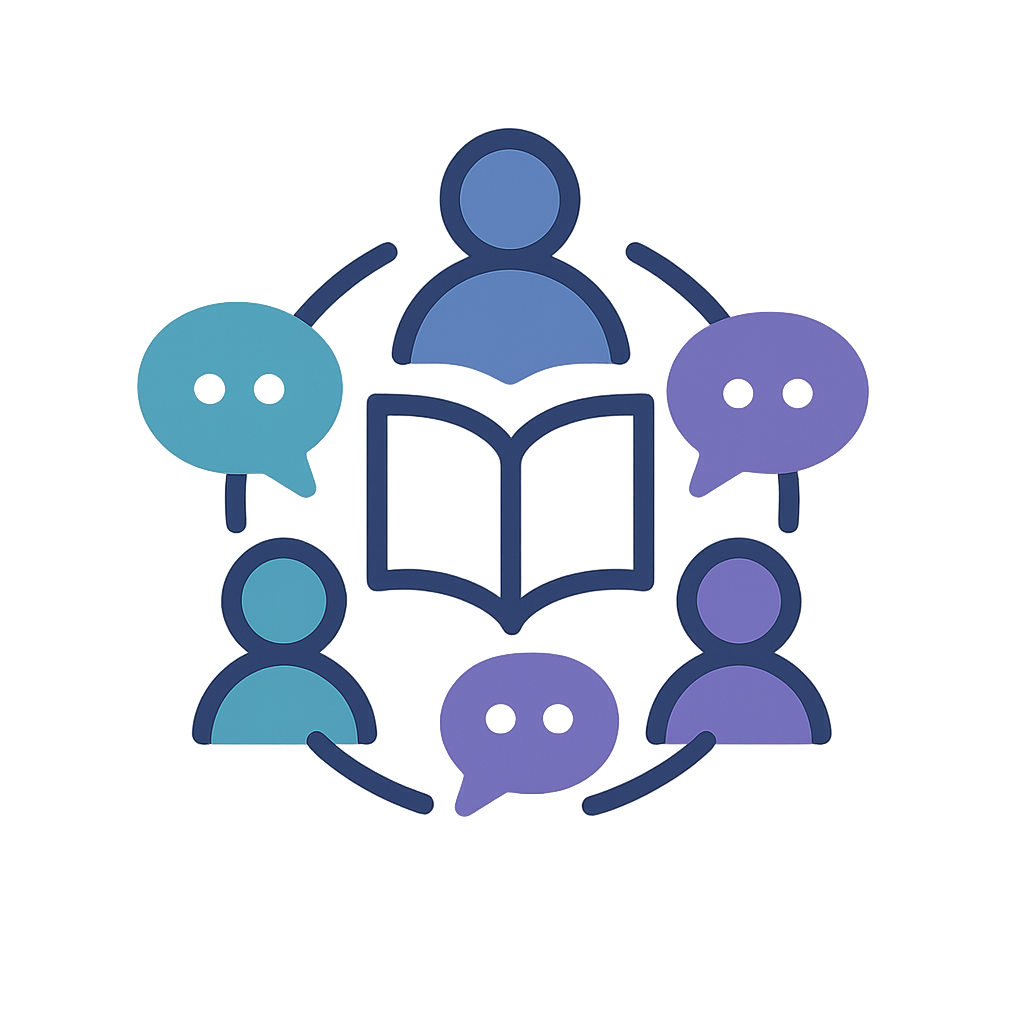
Intentional small groups - Instead of 200-person course forums where everyone's a stranger, students connect in groups of 4-8 people where actual relationships form.
Scheduled practice sessions - Structured times when students work on problem sets together, quiz each other, or tackle challenging concepts as a team. These sessions happen WITH peers, not just near them.
Body-doubling and co-working environments - Digital study halls where students work independently but alongside others. The presence creates accountability and reduces the isolation of solo studying.
Connection quality tracking - Instead of only measuring content consumption (videos watched, assignments completed), the system tracks relationship formation and peer interaction frequency.
Synchronous collaboration by default - Rather than treating real-time interaction as an add-on feature, community platforms make it central to the experience. Students expect to see their peers, not just course content.
Structured accountability partnerships - Two students who check in on each other's progress, celebrate wins, and provide encouragement during difficult weeks. This is different from LMS assignment notifications.
Think of it this way: Your LMS delivers the lesson plan. Your community platform creates the study group. Both are essential, but they serve completely different functions.
Case Study: Academy That Added Community Layer to Their LMS
Consider what happened when one technical bootcamp recognized their learning management system wasn't solving isolation:
Starting situation: The academy used Teachable for all content delivery. The platform worked flawlessly—videos streamed perfectly, assignments were organized logically, progress tracking was comprehensive. But dropout rates sat at 40%, and student feedback consistently mentioned feeling disconnected.
The intervention: Rather than replacing their LMS, they added a structured peer learning platform alongside it. Students continued accessing all course content through Teachable, but they now also had matched practice partners, scheduled co-working sessions, and small accountability groups.
Results after three cohorts:
- Dropout rates decreased from 40% to 18%
- Student satisfaction scores increased 45%
- Net Promoter Score climbed significantly
- Word-of-mouth referrals doubled as students reported feeling part of a genuine learning community
The key insight from the academy director: "We didn't replace our LMS. We kept Teachable for what it does well—content delivery. We just added the missing piece—peer connection. Our students were never complaining about accessing videos. They were complaining about feeling alone."
This pattern repeats across academies that recognize the distinction between content management and community building. For deeper insight into dropout causes, read our article on Why Students Drop Out of Online Courses.
How to Know If You Need More Than Your LMS
Here's a diagnostic assessment every academy owner should conduct. Answer these questions honestly about your current setup:
- Do your discussion forums generate more than 10 organic posts per week per 100 students?
- Do students regularly message each other one-on-one to study together or ask questions?
- Can a student easily find a practice partner when they want one?
- Do you have structured, recurring peer learning sessions that students actually attend?
- Is there a genuine sense of cohort identity among your students?
- Do students ever study "together" synchronously, not just submit work individually?
- Would your students describe their experience as "part of a community" or "taking a course"?
- Do students form friendships and support networks through your academy?
If you answered "no" to three or more questions, your learning management system isn't providing the community layer your students need. You're delivering content successfully—but students are experiencing that content in isolation. And isolation is why they leave.
The good news: This isn't a failure of your LMS. It's simply evidence that you need a complementary system designed for connection, not just content delivery.
Your Options: Building Community Alongside Your LMS
Academy owners who recognize their LMS limitations typically try one of three approaches:
Option 1: Force Your LMS to Do Community (Doesn't Work)
Many academy directors attempt this first. They send reminder emails: "Don't forget to use the discussion forums!" They create mandatory assignments: "Post your introduction and respond to two classmates." They schedule office hours and hope students show up to connect with each other.
The result? Forced interaction feels inauthentic. Students comply minimally to check a box, then return to learning alone. You can't engineer organic connection through requirements—especially not through a system designed for content management.
Option 2: Add Generic Social Platforms (Band-Aid Solution)
The next attempt usually involves creating a Facebook group, Discord server, or Slack channel alongside the LMS. This seems logical—these platforms are built for communication, after all.
The problem: Generic social platforms aren't designed for structured learning. They become noisy, disorganized spaces where announcements get buried, questions go unanswered, and most students lurk silently. Without structure for peer matching, accountability partnerships, or scheduled collaboration, these spaces rarely solve isolation. They just add another platform students check occasionally but don't find valuable.
Option 3: Dedicated Community/Peer Learning Platform (What Works)
The approach that successful academies are adopting: purpose-built community platforms designed specifically for student connection in educational contexts.
These platforms integrate WITH your existing learning management system rather than replacing it. Students still access all course content through your LMS. But they now have:
- Structured peer matching that connects compatible students automatically
- Accountability partnerships that create genuine mutual commitment
- Scheduled focus sessions and body-doubling environments
- Small, intentional study groups where real relationships form
- Synchronous collaboration opportunities that reduce isolation
Platforms like AcademyNC are designed specifically to layer onto existing LMS setups. If you're curious about how this integration works practically, contact us at [email protected].
What This Means Practically for Academy Owners
If you're reading this and recognizing the gap in your current setup, here's what you need to understand:
You don't need to abandon your LMS investment. Your learning management system is doing its job. Content is being delivered efficiently, grades are being tracked, progress is being monitored. That infrastructure is valuable.
You need to ADD the community piece, not replace the content piece. Think of your technology stack in two layers:
- Content layer (LMS): "Here's what to learn"
- Community layer (peer platform): "Here's who to learn with"
This two-system approach is becoming the standard for academies serious about retention and student satisfaction. Content alone doesn't prevent dropout—connection does. But connection without structured content delivery creates chaos. You need both systems working together.
The academies with the highest completion rates, strongest student satisfaction, and best word-of-mouth referrals have recognized this distinction. They're not looking for one platform that tries to do everything. They're building a technology stack where each system excels at its specific purpose.
For perspective on the financial impact of dropout, see our article on The True Cost of Student Dropout for Academy Owners.
Next Steps: Auditing Your Current Setup
Ready to assess whether your academy needs more than its LMS? Here's a practical action plan:
Step 1: Assess what your LMS does well - Make a list of the content delivery, administrative, and tracking functions your learning management system handles effectively. Appreciate these strengths.
Step 2: Identify connection gaps - Review your student feedback, dropout exit surveys, and engagement metrics. Where do students mention isolation, disconnection, or lack of peer support?
Step 3: Research community layer options - Investigate platforms specifically designed for student connection, peer learning, and accountability. Look for solutions that integrate with your existing LMS.
Step 4: Choose integration-friendly solutions - Prioritize community platforms that work alongside your current learning management system rather than requiring you to abandon your content infrastructure.
Step 5: Run a pilot with one cohort - Test the community layer with a single group before rolling out academy-wide. Measure dropout rates, satisfaction scores, and peer connection formation.
If you're not sure where to start or want help diagnosing what's missing from your current setup, we help academies conduct these audits regularly. Reach out at [email protected] and we'll walk you through the process.
The most important insight: Your LMS isn't failing you. It's just solving one problem (content delivery) when you actually have two problems (content delivery AND community building). Recognizing this distinction is the first step toward creating the complete learning experience your students need.
Frequently Asked Questions
What are the limitations of LMS platforms?
LMS platforms excel at content delivery, grading, and progress tracking but fall short at building peer connections. Key limitations include: one-way content distribution with minimal student-to-student interaction, discussion forums designed for assignments rather than authentic community, asynchronous-first design that prevents real-time collaboration, and no structured peer matching or accountability systems. Research shows 22% of distance learners struggle with isolation despite having access to modern learning management systems. The core issue is that LMS platforms manage content, not relationships.
Can an LMS build student community?
No, learning management systems are primarily designed for content management, not community building. While many LMS platforms include discussion forums and messaging features, these tools rarely create authentic peer connections. Students need structured opportunities for synchronous collaboration, automatic peer matching based on compatibility, and built-in accountability systems—which LMS platforms weren't designed to provide. Successful academies use their LMS for content delivery while adding a separate community layer specifically for student connection and peer learning.
What's the difference between LMS and community platform?
An LMS manages content delivery—hosting videos, tracking assignments, organizing courses, and generating grades. A community platform manages connections—matching compatible peers, facilitating study sessions, enabling body-doubling, and creating accountability structures. Think of it this way: Your LMS delivers the lesson; your community platform creates the study group. They're complementary tools serving different purposes, not competitors. Most successful academies now use both systems together, with the LMS handling content and the community platform handling peer connection.
Why do students feel isolated even with an LMS?
Students feel isolated because learning management systems deliver content TO them but don't facilitate authentic connection BETWEEN them. A student can watch every video lecture, submit every assignment, and achieve perfect grades without ever interacting meaningfully with a single classmate. LMS discussion forums exist but often remain silent because they're structured like assignment boxes, not gathering places. Messaging features create awkward cold outreach dynamics. Students need structured peer connections and synchronous collaboration opportunities—functions that sit outside what LMS platforms were built to provide.
Do I need to replace my LMS to solve student isolation?
No. Your learning management system isn't the problem—it's doing exactly what it was designed for, which is content delivery and administrative management. You don't need to replace your LMS; you need to add a community layer alongside it. Think of building a technology stack where your LMS handles course content, grading, and progress tracking, while a dedicated community platform handles peer matching, study sessions, and accountability. They work together, with your LMS remaining the central content hub while the community system solves the isolation problem your LMS was never meant to address.
What do academies need beyond an LMS?
Academies need structured peer learning systems that create genuine connection: automatic peer matching based on goals and schedules, small intentional study groups of 4-8 students rather than 200-person forums, scheduled co-working and practice sessions, body-doubling environments that provide accountability, synchronous collaboration opportunities, and cohort identity building. These community functions should sit alongside—not inside—your learning management system. The most successful academies use a two-system approach: LMS for content delivery plus a dedicated community platform for student connection. This combination addresses both learning needs: structured curriculum and peer support.
Ready to add the community layer your LMS is missing? Contact our team at [email protected] to discuss how AcademyNC integrates with your existing learning management system to solve student isolation without disrupting your content delivery. We'll help you audit your current setup and design a pilot program to test the impact of adding structured peer learning to your academy.