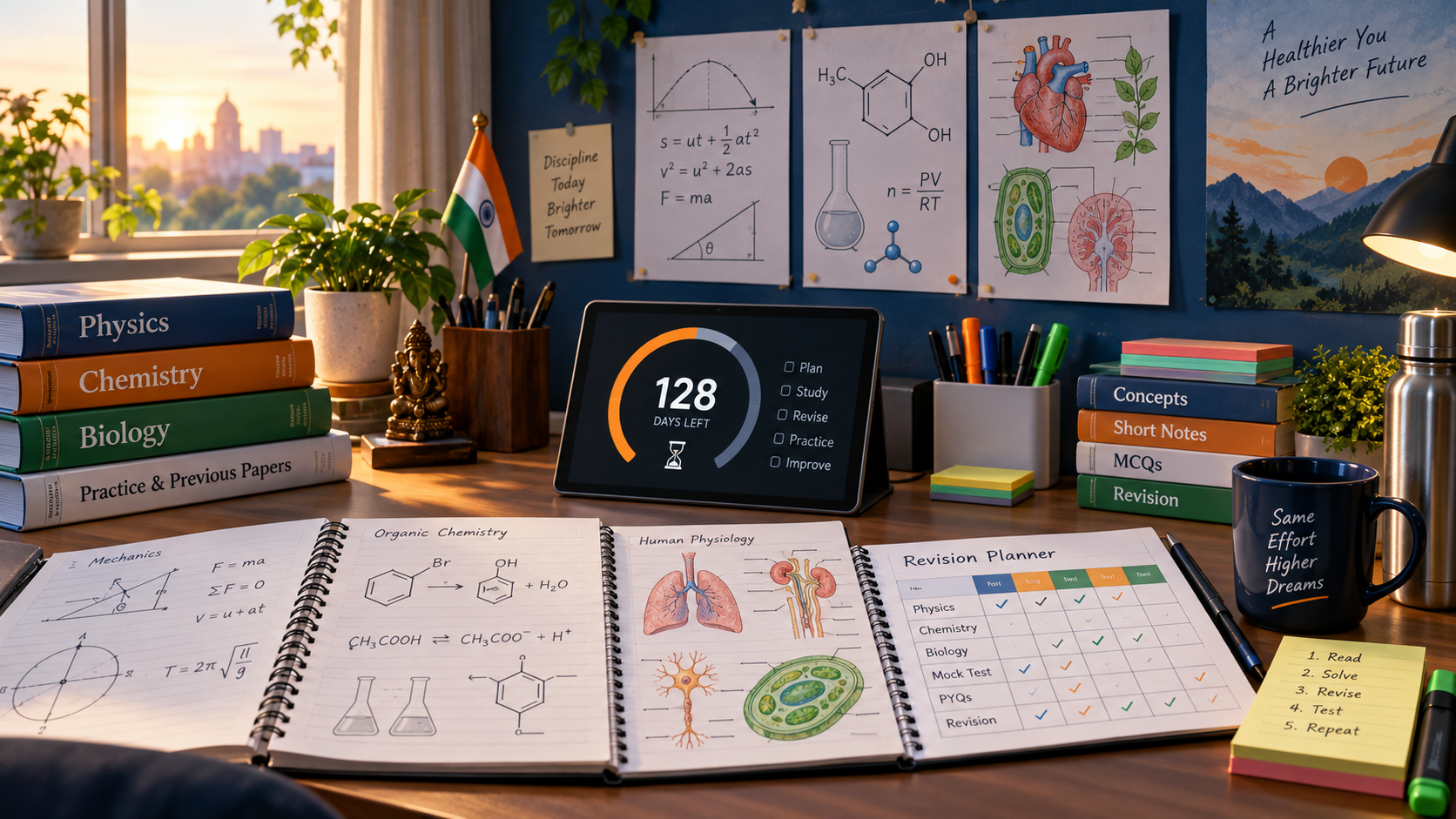
Education Technology Future: What Students Need

How is technology changing education? Explore AI tutors, VR learning, gamification & digital trends transforming how students study in 2025.
The classroom of 2025 looks nothing like it did a decade ago. Gone are the days when learning meant sitting in rows, taking notes from a blackboard, and memorizing facts from static textbooks. Today's students are experiencing a revolution in how education is delivered, personalized, and experienced—and the future of education technology promises even more transformative changes ahead.
From AI-powered tutoring systems that adapt to your unique learning style to immersive virtual reality experiences that transport you into historical events, technology is fundamentally reshaping how students learn, collaborate, and prepare for their futures. Whether you're in high school, college, or university, understanding these emerging education technology trends isn't just interesting—it's essential for staying competitive in an increasingly digital world.
Let's explore the key trends every student should know to stay ahead in this evolving educational landscape.
Why Students Should Care About Education Technology
Before diving into specific trends, it's worth asking: why does this matter to you as a student?
The job market rewards tech-savvy learners. Employers across virtually every industry now prioritize candidates who can adapt to new digital tools, analyze data, and leverage technology to solve problems. By embracing educational technology now, you're building skills that extend far beyond the classroom.
Personalized learning equals better academic outcomes. Traditional one-size-fits-all education often leaves students behind or fails to challenge those who are ready to move faster. Education technology enables customized learning paths that match your pace, style, and goals—leading to deeper understanding and improved performance.
Digital literacy is becoming the new study skill. Just as reading and writing were fundamental literacy skills of the past century, the ability to navigate digital learning environments, evaluate online information, and use tech tools effectively has become essential for academic success in the 21st century.
Trend #1: AI Tutors and Smart Learning Assistants
Artificial intelligence in education represents one of the most significant shifts in how students access help and support. AI-powered learning assistants are no longer science fiction—they're here, and they're transforming the study experience.
These smart tutoring systems can answer questions at any hour, break down complex concepts into digestible explanations, and adapt their teaching approach based on how you learn best. Unlike a traditional tutor with limited availability, AI study partners are accessible 24/7, making them perfect for late-night study sessions or when you're stuck on a problem.
Modern platforms like Academync have integrated AI Study Partners that don't just provide answers—they guide you through the thinking process, helping you develop problem-solving skills that stick. The technology analyzes which concepts you're struggling with and adjusts its explanations accordingly.
It's important to understand that AI tutors aren't replacing human teachers. Instead, they're enhancing the educational experience by providing supplemental support, freeing teachers to focus on higher-level instruction, mentorship, and the human connections that technology can't replicate.
Trend #2: Immersive Learning with AR and VR
Augmented reality (AR) and virtual reality (VR) are taking education beyond the boundaries of traditional classrooms and textbooks. These technologies create immersive learning experiences that were impossible just a few years ago.
With AR, your biology textbook can display a beating 3D heart that you can rotate and explore from every angle. Chemistry students can visualize molecular structures hovering above their desks. History learners can see ancient civilizations reconstructed in the space around them.
VR takes immersion even further. Medical students can practice surgical procedures in risk-free virtual operating rooms. Architecture students can walk through buildings they've designed before a single brick is laid. History students can stand in the Roman Colosseum during its peak, experiencing the scale and atmosphere in ways no photograph can capture.
Real-world simulation learning boosts both retention and engagement. Research shows that students remember up to 75% of what they do in immersive environments, compared to just 10% of what they read and 20% of what they see. When learning feels like experiencing rather than memorizing, it sticks.
Trend #3: Data-Driven Personalized Education
One of the most powerful applications of education technology is its ability to collect and analyze learning data, providing insights that help students understand not just what they're learning, but how they learn best.
Modern educational platforms track metrics like study duration, focus patterns, performance on different types of questions, optimal study times, and areas requiring additional practice. This analytics-first approach transforms vague feelings about your studies into concrete, actionable insights.
Tools like Academync's Focus Analytics give students a clear picture of their study patterns and performance trends. You might discover that you retain information better in 45-minute study blocks rather than marathon three-hour sessions, or that you consistently struggle with certain topics that need more attention.
This data-first approach helps you learn smarter, not harder. Instead of spending countless hours studying ineffectively, you can optimize your study strategy based on evidence about what actually works for you. It's personalized education at scale, powered by technology that learns alongside you.
Trend #4: Gamification and Motivation Systems
Let's face it: staying motivated through long study sessions and challenging coursework is tough. This is where gamification—applying game design principles to learning—is making a real difference in student engagement and persistence.
Modern education platforms incorporate elements like experience points (XP), achievement levels, progress badges, streak counters, and leaderboards to make studying more engaging. These aren't just superficial additions—they're grounded in motivation science and behavioral psychology.
When you earn XP for completing study sessions or unlock achievements for mastering difficult concepts, your brain releases dopamine—the same neurotransmitter associated with reward and motivation. This creates positive reinforcement loops that make you want to return to your studies.
Academync's gamified study ecosystem rewards consistency and collaboration, recognizing both individual achievement and group study efforts. The platform transforms studying from a solitary chore into an engaging experience where progress feels tangible and success is celebrated.
Motivation science meets study productivity. The result is students who study more consistently, persist through challenges more readily, and actually enjoy the learning process.
Trend #5: Shared Study Spaces and Virtual Collaboration
Despite the digital nature of modern education, human connection and accountability remain crucial for academic success. That's why virtual study communities and shared learning spaces represent such an important trend in education technology.
Digital study communities enable students to connect with peers who share their academic goals, regardless of physical location. You can find study partners for specific subjects, join accountability groups that keep you on track, or simply study "alongside" others to reduce feelings of isolation.
Shared Pomodoro rooms and virtual co-working spaces keep accountability high. When you know others are studying simultaneously, you're far more likely to stay focused and resist distractions. It's the library study atmosphere, reimagined for the digital age.
These virtual spaces facilitate not just passive co-presence, but active collaboration. Students can share resources, explain concepts to each other (which deepens understanding), and provide mutual encouragement during difficult study periods.
Real friendships and real results—even online. Many students report that their virtual study groups become genuine communities where meaningful relationships develop alongside academic progress.
Trend #6: Ethical and Inclusive Tech in Education
As education technology advances, there's growing recognition that these tools must serve all students, not just those who fit traditional learning models. Ethical and inclusive design is becoming a priority for forward-thinking educational platforms.
Accessibility-first design for neurodiverse and differently-abled learners means creating tools that work for students with ADHD, dyslexia, visual or hearing impairments, and other diverse needs. This includes features like adjustable text sizes, screen reader compatibility, customizable color schemes, and multiple input methods.
Inclusive learning platforms adapt to different learning styles, paces, and preferences. Some students learn best through video content, others through reading, and still others through hands-on practice. Quality education technology offers multiple pathways to the same learning objectives.
There's also growing attention to data privacy, algorithmic bias, and ensuring that AI-powered educational tools don't inadvertently disadvantage certain groups of students. The best platforms are transparent about how they use student data and actively work to identify and eliminate bias in their systems.
How Academync Fits into the Future of Education Tech
As we've explored these trends, a common thread emerges: the future of education isn't about technology replacing traditional learning—it's about intelligent tools that enhance, personalize, and optimize the study experience.
Academync embodies this future-focused approach by combining multiple trending technologies into one cohesive platform:
AI-driven learning meets real accountability. The platform's AI Study Partner provides personalized assistance while shared study rooms create social accountability that keeps you committed to your goals.
All-in-one functionality for the modern student. Rather than juggling multiple apps and subscriptions, Academync offers Shared Pomodoro Rooms, AI Tutors, Focus Analytics, Goal Tracking, and gamified motivation systems in one clean, distraction-free environment.
Building habits for the next generation of learning. More than just a study tool, Academync helps students develop the self-directed learning skills, digital literacy, and adaptive thinking that will be essential throughout their academic and professional lives.
The platform represents a practical bridge between today's students and tomorrow's educational landscape—providing cutting-edge tools while remaining focused on what matters most: helping students learn effectively and achieve their academic goals.
FAQs About the Future of Education Technology
What is the future of education technology?
The future of education technology centers on personalization, immersion, and accessibility. We're moving toward learning experiences that adapt to individual student needs through AI, create engaging immersive environments through AR/VR, and make quality education accessible to all students regardless of location or learning differences. The classroom of the future will be hybrid, data-informed, and student-centered.
How is AI transforming education?
AI is transforming education by providing personalized tutoring at scale, automating routine tasks for teachers, identifying learning gaps before students fall behind, and adapting content delivery to match individual learning styles. AI tutors can offer unlimited patience and customized explanations, while AI-powered analytics help both students and educators understand learning patterns and optimize study strategies.
What are the top education technology trends for 2025?
The top education technology trends for 2025 include AI-powered learning assistants, immersive AR/VR experiences, data-driven personalization, gamified learning systems, virtual study communities, and inclusive design for diverse learners. These trends are converging to create more engaging, effective, and accessible educational experiences for students at all levels.
How can students prepare for the future of digital learning?
Students can prepare by developing digital literacy skills, learning to use productivity and collaboration tools effectively, practicing self-directed learning, and staying curious about new technologies. Embrace platforms that help you understand your own learning patterns, build consistent study habits, and connect with diverse learning communities. The key is balancing technological proficiency with fundamental learning skills like critical thinking and problem-solving.
Which tools help students study smarter in the tech era?
The most effective tools combine multiple features: AI assistance for personalized help, analytics to understand your study patterns, collaboration features for accountability and connection, and gamification to maintain motivation. Comprehensive platforms like Academync integrate these elements rather than requiring students to manage multiple separate apps, creating a streamlined experience that supports both focus and flexibility.
Conclusion: Students Who Adapt, Win
The future of education is intelligent, immersive, and interactive—and it's arriving faster than many people realize. The learning experiences available to students today would seem like science fiction to previous generations, and the pace of innovation shows no signs of slowing.
What separates students who thrive in this evolving landscape from those who struggle isn't just intelligence or natural ability. It's adaptability—the willingness to embrace new tools, experiment with different learning approaches, and develop the digital literacy skills that are becoming fundamental to academic and professional success.
Those who learn how to learn with technology will lead the next generation. They'll be the ones who can quickly master new skills, adapt to changing job markets, and leverage the full potential of educational resources available to them.
The technology exists. The platforms are ready. The only question is whether you'll take advantage of these tools to enhance your learning journey. Platforms like Academync empower students to prepare not just for the exams of today, but for the classrooms—and careers—of tomorrow.
The future of education technology isn't something distant and abstract. It's happening now, and every student has the opportunity to be part of this transformation. The question isn't whether technology will reshape how we learn—it's whether you'll be among the students who harness that change to reach your full potential.
Start exploring, start adapting, and start building the learning habits that will serve you for decades to come. Your future self will thank you.